Why Time Matters in a Dental Emergency in Plano, TX
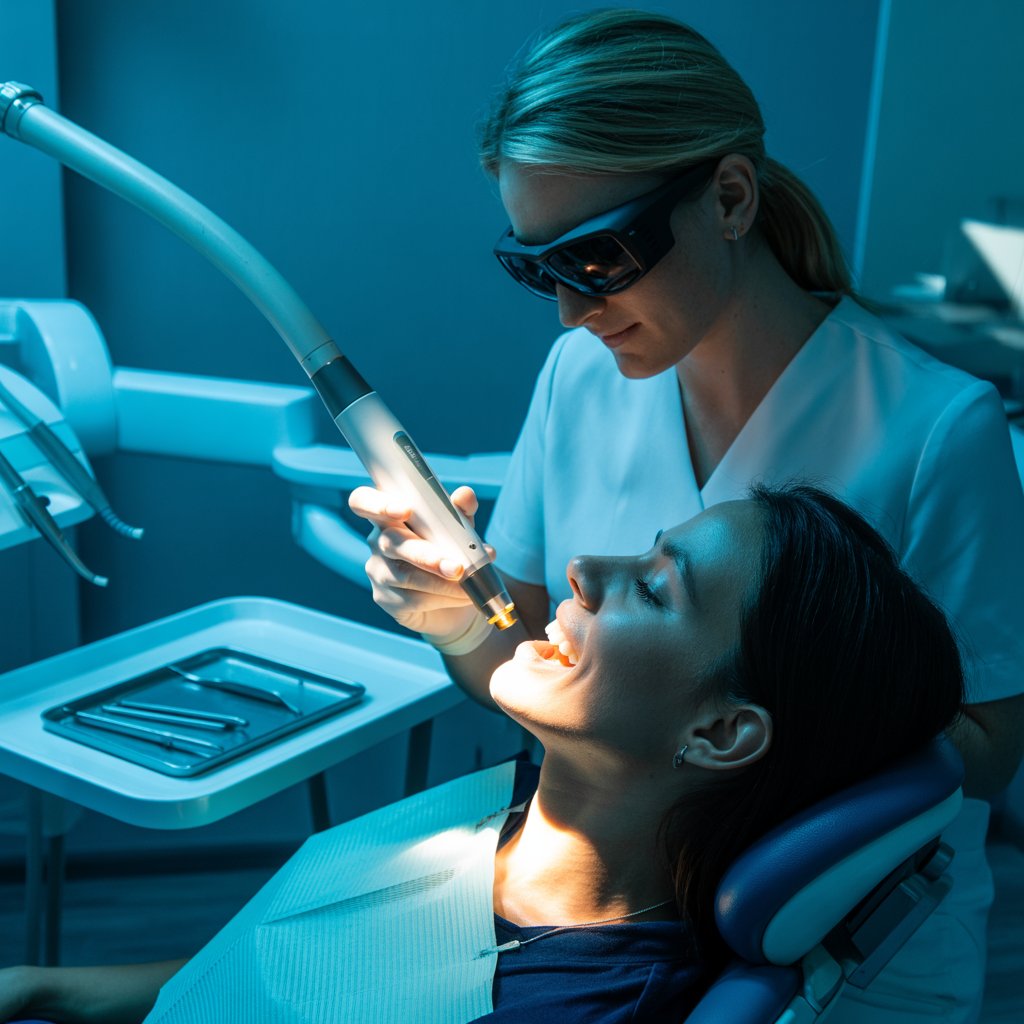
Dental emergencies have a way of rearranging a day in seconds. A normal morning can turn into a race for help after a fall at a playground, a cracked molar during lunch, or a throbbing tooth that suddenly becomes impossible to ignore. In those moments, people often ask the same question: can this wait until tomorrow?
Sometimes the answer is yes. Often, it is not.
When a dental problem crosses into emergency territory, time is not just about comfort. It can affect whether a tooth can be saved, how much treatment is needed, how much swelling develops, and how quickly normal eating, speaking, and sleeping return. For patients looking for an emergency dentist in Plano, TX, the timing of that call matters more than many people realize.
The mouth is not an isolated system. Teeth, gums, bone, nerves, blood supply, and surrounding soft tissue work together in a small space. When something goes wrong, damage can spread fast. A minor crack can deepen. A loose filling can expose sensitive inner tooth structure. A small infection can intensify overnight. Delay does not always lead to disaster, but in dentistry, waiting rarely improves the situation.
The difference between urgent and uncomfortable
Not every dental problem requires immediate same day care, but the line between inconvenience and emergency is narrower than most people think. Mild sensitivity after a cold drink is very different from swelling in the face, uncontrolled bleeding, or a tooth that has been knocked out.
A useful way to think about urgency is this: if the problem is getting worse quickly, affecting your ability to function, or involves trauma, infection, or significant pain, it deserves prompt attention. Severe tooth pain tends to have a cause, not just a symptom. It may come from decay that has reached the nerve, an abscess, a deep fracture, or pressure from infection around the root. None of those conditions gets healthier by sitting still.
The same is true for injury. I have seen cases where someone thought a chipped front tooth was “only cosmetic,” only to find the fracture extended farther than expected. I have also seen the opposite, where a dramatic looking lip injury frightened the patient, but the tooth itself remained stable. That is one reason speed matters. Early evaluation clarifies what is actually at risk.
A tooth knocked out is the clearest example of why minutes count
If there is one situation that best illustrates the value of acting fast, it is an avulsed tooth, meaning a permanent tooth that has been completely knocked out. In ideal circumstances, reimplantation is attempted as soon as possible. The cells on the root surface begin to lose viability once the tooth is out of the mouth, especially if it dries out. That affects whether the tooth can reattach successfully.
The first half hour matters. The first hour matters. Even after that, a dentist may still be able to help, but the odds change.
This is where panic often leads people in the wrong direction. They wrap the tooth in tissue, scrub it under hot water, or leave it on a countertop while searching online. A calmer, faster response gives a better chance.
If a permanent tooth is knocked out, the immediate priorities are simple:
- Pick it up by the crown, not the root.
- If it is dirty, rinse it gently with water for a few seconds only.
- Try to place it back into the socket if possible.
- If that is not possible, keep it moist in milk or saliva.
- Get to a dentist immediately.
That short window is one of the strongest arguments for knowing where to go before an emergency happens. A family with active kids, athletes, or adults who travel often around Plano should already know which office handles same day emergency care and what the after hours process looks like.
Infection does not respect your schedule
Trauma is dramatic, but infection is often more dangerous because it can be easier to underestimate. A patient may live with an aching tooth for days, then wake up with a swollen jaw or trouble opening the mouth comfortably. What was manageable on Monday can become urgent by Wednesday night.
Dental infections vary widely. Some remain localized around a tooth for a time. Others move into surrounding gum tissue, facial spaces, or deeper structures. That is when dental pain turns into a medical concern. Fever, facial swelling, foul taste or drainage, pain with pressure, and swelling under the jaw deserve prompt evaluation. Difficulty swallowing or breathing is more than a dental emergency and requires immediate medical attention.
One common mistake is relying on pain medicine to judge severity. Over the counter medications can take the edge off and create a false sense of stability. The source of the problem may still be progressing. I have seen patients who were able to work through a day on ibuprofen, only to need far more involved treatment because the infection had spread by the time they came in.
Prompt treatment can mean the difference between a straightforward root canal and a much more complicated course. It can also reduce the chance of losing the tooth altogether. In practical terms, that affects everything from cost to recovery time to how many follow up visits are needed.
Cracks, breaks, and the problem with “I can still chew on the other side”
A cracked tooth often feels negotiable at first. The patient can still eat, sort of. The pain only happens when biting, or when something cold hits the tooth. A corner broke off, but the remaining tooth seems stable. This is exactly the kind of injury people postpone, and it often comes back to punish that decision.
Teeth do not heal the way skin does. A crack does not seal itself. Chewing can widen the fracture, and repeated thermal changes from hot coffee and cold water can aggravate symptoms. If bacteria gain access to the inner portion of the tooth, inflammation inside the pulp can follow.
The timing of treatment often determines the menu of options. A tooth with a small fracture may be restored with bonding or a crown. The same tooth, after further splitting, may need root canal treatment or extraction. Patients tend to focus on pain, but dentists also look at restorability. Once enough structure is lost, choices narrow quickly.
There is also the issue of bite force. Molars absorb a surprising amount of pressure. A back tooth with a hidden crack may feel tolerable at breakfast and fail completely over dinner. A patient who had a repairable problem at noon can show up with a nonrestorable split by nightfall.
Temporary dental work is more fragile than it feels
Lost fillings, loose crowns, and broken bridges often do not seem urgent because they are not always intensely painful at first. But exposed dentin can become extremely sensitive, and the underlying tooth can fracture if left unsupported. Food traps around the area can also irritate the gum tissue and increase decay risk.
A crown that feels “mostly on” is not stable enough to trust. People sometimes push it back into place and continue chewing as usual. The problem is that if the crown shifts, it can distort the fit or put pressure on the underlying tooth in the wrong way. In other cases, what feels like a loose crown is actually a fractured tooth underneath.
Quick attention can preserve the original restoration or allow a simpler repair. Waiting can convert a recement appointment into a rebuild, root canal, or extraction. This is one of the quieter ways time affects dental emergencies. It is not always about dramatic pain. Sometimes it is about catching a structural problem while it is still small.
Bleeding and soft tissue injuries deserve a closer look than people give them
The mouth has an abundant blood supply, which is good for healing but alarming when injury occurs. A bitten lip, a cut tongue, or a lacerated gum can produce more blood than many people expect. It is easy to assume the volume means the damage is severe, but appearance is not always the best guide.
What matters is whether the bleeding stops with pressure, whether the wound edges are gaping, and whether there may be dental or jaw injury hiding behind the soft tissue trauma. Falls, sports injuries, and vehicle accidents often involve both. A patient may notice the lip first and miss a tooth intrusion or a root fracture.
Persistent bleeding, large soft tissue tears, and injuries caused by significant force should be evaluated promptly. If the patient takes blood thinners or has a clotting disorder, the threshold for seeking care should be even lower. Time matters here for two reasons: controlling the wound itself and identifying accompanying damage before swelling obscures the picture.
The hidden cost of waiting is usually bigger than the visible one
People often delay emergency dental care because they are trying to avoid expense or disruption. That instinct is understandable. Nobody wants an unplanned bill or a schedule derailed by a sudden dental visit. But delayed care often becomes more expensive, not less.
A small cavity that becomes a toothache may move from a filling to root canal treatment and a crown. A crack that could have been stabilized may become an extraction plus replacement options. A localized infection may require more visits, more medication, and more time away from work once it escalates.
There is also the human cost. Lost sleep changes pain tolerance, concentration, and mood. Parents dealing with a child’s dental trauma know how quickly one injury can absorb an entire household’s attention. Adults who depend on speaking clearly for work feel the impact even sooner. Swelling, pain, and visible front tooth damage do not wait for a convenient time to become a problem.
In Plano, where many households balance school schedules, commutes, sports, and full calendars, waiting often feels practical in the moment. Yet from a treatment standpoint, early intervention is usually the more efficient choice.
What an emergency dentist is looking for in the first visit
When patients search for an emergency dentist in Plano, TX, they often assume the first goal is to stop pain. Pain control matters, of course, but the more important first question is diagnostic: what exactly happened, and what is at risk if nothing is done today?
That first emergency assessment usually focuses on a few key issues. Is there infection? Is the tooth stable? Is the nerve involved? Is there damage below the gumline or in the surrounding bone? Is the bite altered? Is swelling spreading? Those answers shape the next decision.
Sometimes definitive treatment can happen on the same visit. Other times the immediate objective is to stabilize the situation, reduce pain, protect the tooth, and prevent worsening until a more complete procedure is performed. That may mean drainage of an abscess, recementing a crown, placing a sedative filling, smoothing a fractured edge, splinting a traumatized tooth, or prescribing medication when appropriate.
Patients are occasionally disappointed if the first visit does not “finish everything.” But in true emergency care, the right sequence matters. Stabilizing first often produces a better final outcome than rushing into a complex procedure before the full picture is clear.
Children and dental emergencies move on a different clock
With children, urgency can be harder to judge because they do not always describe symptoms accurately. A child may say a tooth feels “wiggly” after an impact, but that could refer to a baby tooth near natural exfoliation or a permanent tooth loosened by trauma. Blood, tears, and panic can blur the details.
The timing still matters, especially with injuries involving permanent teeth, lip lacerations, or suspected jaw trauma. Another common issue is swelling from untreated decay. Children sometimes compensate remarkably well until the pain suddenly spikes, often at night. By then the infection may already be advanced.
Parents should also know that not every lost tooth should be replanted. A knocked out baby tooth is handled differently from a permanent tooth. Reinserting a primary tooth can harm the developing adult tooth underneath. That is one of those edge cases where acting fast still matters, but the right action depends on the type of tooth.
Pain that wakes you up rarely gets better on its own
There is a practical rule many patients find useful: if a dental problem wakes you from sleep, commands your attention despite pain medication, or makes you avoid eating, it has earned urgent evaluation. That does not automatically mean hospitalization or invasive treatment, but it does mean the body is telling you the issue has crossed a threshold.
Nighttime tooth pain is especially suggestive of pulpal inflammation or infection. Pressure builds, lying down changes blood flow, and the discomfort often intensifies when the day quiets down. People sometimes wait because the pain comes in waves, but intermittent pain does not mean minor disease. In dentistry, symptoms can fluctuate even while the underlying damage progresses.
What to do before you get to the office
The period between injury and evaluation matters. A few simple decisions can keep the problem from worsening.
For most dental emergencies, these steps help:
- Rinse gently with warm water to clear the area.
- Use a cold compress on the outside of the face for swelling.
- Avoid chewing on the injured side.
- Do not place aspirin directly on the gum or tooth.
- Call for professional guidance rather than guessing.
That fourth point matters because people still do it. Aspirin on the gum does not treat the source of pain and can irritate or even burn soft tissue. Another common misstep is taking antibiotics left over from an old prescription. The wrong antibiotic, dose, or duration may do little while delaying proper care.
Plano patients face some very ordinary causes of very real emergencies
Many dental emergencies in Plano come from familiar patterns rather than unusual events. Weekend sports create trauma cases. Busy professionals postpone small problems until they become painful. Teens with orthodontic appliances sometimes break brackets or wires after eating foods they know better than to test. Older adults with large existing restorations are more prone to cracked cusps and broken crowns. None of that is rare, and that is exactly the point.
Dental emergencies often grow out of ordinary life. A seed in a salad, a stress habit of Emergency dentist Plano, TX clenching, an old filling finally giving way, a child slipping near a pool, or an untreated cavity that stayed quiet too long. Because the triggers are so ordinary, people tend to underestimate them. The event feels routine, so the response becomes casual. That disconnect is where time gets lost.
Not every emergency means losing the tooth
One reason some patients avoid prompt care is fear. They assume that if a tooth suddenly hurts or breaks, extraction is inevitable. That is not always true. In fact, quick care often expands the chances of saving the tooth.
A painful tooth may still be a candidate for root canal treatment and restoration. A fractured front tooth may be rebuilt beautifully if the damage is addressed before contamination or further breakage occurs. A loose tooth after trauma may recover if it is repositioned and stabilized in time. Even an abscessed tooth can often be saved when treated appropriately and early enough.
Delay does not guarantee tooth loss, but it makes preservation harder. Dentistry has more tools than many patients realize. The challenge is that those tools work best before the damage spreads too far.
Choosing speed without choosing panic
The goal is not to react to every twinge with alarm. It is to recognize when prompt action protects health, comfort, and options. That requires judgment, and good judgment usually comes from understanding the likely direction of a problem rather than just its current intensity.
A useful mindset is this: if the condition involves trauma, swelling, significant pain, bleeding, a lost permanent tooth, or a broken tooth with sharp or exposed areas, seek help sooner rather than later. If it seems minor but is changing fast, treat that change as meaningful. Progression is information.
For anyone who may need an emergency dentist in Plano, TX, a little preparation goes a long way. Keep the office number accessible. Know what your dental practice handles after hours. If you have children in sports, understand the basics of dental first aid. Those are small steps, but they shorten the gap between injury and treatment, and that gap is often where outcomes are decided.
A dental emergency is rarely just about the moment it starts. It is about what happens in the next thirty minutes, the next few hours, and the next day. Teeth are resilient, but they are not forgiving forever. When something goes wrong, time is not a side detail. It is part of the treatment.
Vitality Dental
1220 Coit Rd # 106, Plano, TX 75075, United States
+1 972-645-4100
FAQ About Emergency dentist Plano, TX
Will the ER do anything for dental pain?
An emergency department can assess urgent symptoms and provide medical stabilization. Definitive treatment of the tooth usually requires a dentist. Seek emergency medical care for breathing or swallowing difficulty, uncontrolled bleeding, or serious facial injury.
What to do if I have a dental emergency in the middle of the night?
Contact a dentist or after-hours dental service promptly for guidance. If a permanent tooth is knocked out, keep it moist in milk while seeking immediate care. If symptoms suggest a medical emergency, go to an emergency department.
What qualifies as a dental emergency?
A knocked-out permanent tooth, severe or persistent tooth pain, a significant dental injury, or swelling may require urgent dental assessment. Call a dentist to describe the symptoms and determine timing. Uncontrolled bleeding or difficulty breathing or swallowing requires emergency medical care.