How an Emergency Dentist Can Prevent Tooth Loss
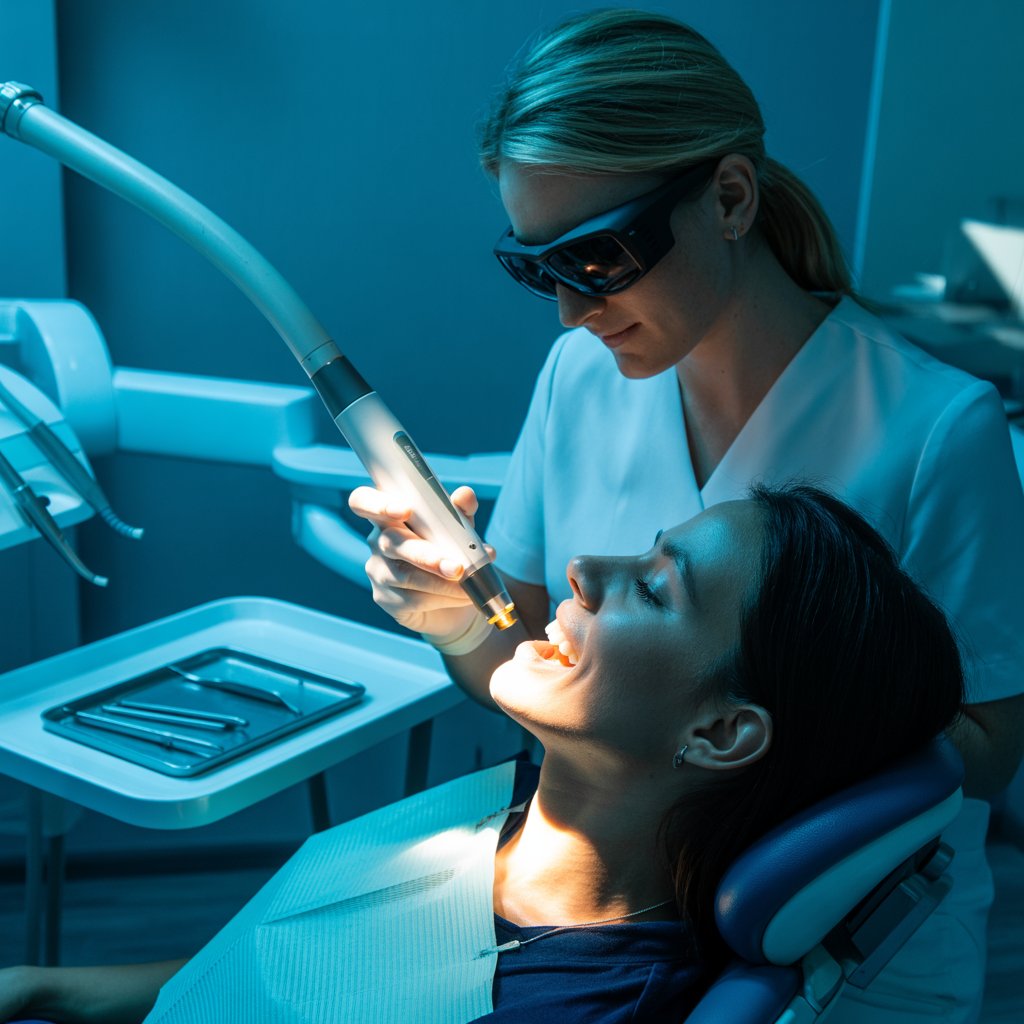
Tooth loss often feels sudden, but in many cases the damage starts earlier and worsens by the hour. A cracked molar left alone overnight can split below the gumline. A knocked-out front tooth can sometimes be saved, but only if the right steps happen quickly. An untreated dental abscess can destroy supporting bone and turn a repairable tooth into an extraction. This is where an Emergency Dentist makes a measurable difference.
People sometimes think emergency dental care is only about pain relief. Pain matters, of course, but the larger goal is preserving the tooth, the ligament that holds it in place, and the bone around it. Once those structures break down too far, the options become more invasive, more expensive, and less predictable. Crowns turn into root canals, root canals turn into extractions, and a single missed window can change the long-term health of the entire bite.
In practice, emergency dentistry is often about timing and judgment. The dentist has to decide what can be stabilized today, what must be treated immediately, and what can safely wait a few days without risking permanent damage. Patients usually arrive stressed, swollen, bleeding, or unable to chew, and the right intervention in that moment can be the difference between saving the natural tooth and losing it.
The narrow window when teeth are still salvageable
A natural tooth is surprisingly durable, but not invincible. The enamel is the hardest substance in the body, yet it can fracture. The pulp inside the tooth contains blood vessels and nerves, and once that tissue becomes inflamed or infected, the problem can accelerate. Around the root sits the periodontal ligament, a thin but vital attachment system. Damage that ligament too severely, especially in a trauma case, and even a healthy-looking tooth may not survive.
Emergency dental treatment works because many dental problems follow a progression. Early on, the situation is often reversible or at least manageable. A deep cavity that causes severe pain may still be restored if the nerve is protected in time. A tooth that has been displaced in an accident can sometimes be repositioned and splinted before the supporting tissues fail. Even a tooth with a serious infection may be saved through prompt drainage, antibiotics when indicated, and root canal treatment once the area is controlled.
The mistake many patients make is waiting to see whether the problem “settles down.” Sometimes the pain does fade, but that does not always mean healing. A dying nerve can stop hurting for a while, right before an abscess develops. Swelling can shift from a local gum boil to a deeper facial infection. A cracked cusp can seem manageable until the fracture extends into the root. By the time symptoms become unbearable, the tooth may already be less restorable.
What an Emergency Dentist is actually trying to save
When a dentist evaluates an urgent case, the target is not just the visible crown. There are several structures at stake, and preserving all of them increases the odds of keeping the tooth for years.
- The tooth structure itself, including enamel and dentin
- The pulp, where the nerve and blood supply sit
- The periodontal ligament that anchors the root
- The surrounding gum tissue
- The supporting jawbone
That list explains why speed matters. A broken corner of a tooth is one problem. A fracture that opens the pulp and lets bacteria in is another. An infection confined inside the tooth is often easier to manage than one that has spread into bone. The earlier an Emergency Dentist sees the problem, the more conservative the treatment can be.
Trauma cases where every minute matters
The clearest example is an avulsed tooth, meaning a tooth that has been completely knocked out. In adults, this is most often a front tooth, and the ideal response is fast, calm, and very specific. If the tooth is handled properly and replanted quickly, there is a real chance of saving it. If it dries out, gets scrubbed aggressively, or sits in a tissue on a countertop for an hour, the prognosis worsens sharply.
A common scene is a weekend sports injury. A teenager takes an elbow to the mouth during basketball, and a parent arrives carrying the tooth wrapped in paper towel. The instinct is understandable, but dry storage is harmful. The cells on the root surface need moisture. In a better scenario, the tooth is picked up by the crown, gently rinsed if dirty, placed back in the socket if possible, or stored in cold milk while the patient heads straight to emergency care.
The same urgency applies to teeth that are not fully knocked out but have been loosened, pushed inward, or shifted sideways. These injuries can cut off the blood supply or tear the ligament attachment. A dentist may reposition the tooth and place a flexible splint to support healing. If treatment is delayed too long, the tooth may fuse to the bone incorrectly or develop progressive root resorption, which is difficult to stop once established.
Children present a special challenge. Baby teeth are managed differently from permanent teeth, and replanting a knocked-out baby tooth is generally not done because of the risk to the developing adult tooth underneath. Parents often do not know whether the lost tooth was primary or permanent, especially around ages six to eight when the mouth is in transition. This is another reason prompt assessment matters. The treatment path changes based on age, tooth type, and the pattern of injury.
Cracks and fractures that worsen overnight
Not every emergency involves dramatic trauma. Some of the most preventable tooth losses come from cracks that are ignored. A patient bites on a hard olive pit, a filling gives way, or an old crown begins leaking. The tooth may feel “off” for a few days, with sharp pain on release when chewing. That symptom often points to a crack.
If the fracture is limited to part of the crown, the tooth may be saved with bonding, an onlay, or a crown. If the crack extends into the pulp, root canal treatment may be needed first. If it runs vertically down the root, the tooth is often not savable. The challenge is that cracks propagate under pressure. Every meal becomes another stress test.
I have seen molars that were very likely restorable on Friday become hopeless by Monday because the patient tried to get through the weekend chewing on the other side and taking pain medication. Relief can create a false sense of safety. It does nothing to stop the crack from deepening. Emergency treatment in these cases is sometimes as simple as protecting the tooth early, adjusting the bite, or placing a temporary restoration until definitive care can be completed.
Infection is one of the fastest routes to tooth loss
Pain from infection can range from a dull throb to a pulse-synced ache that keeps someone awake all night. The danger, though, is not pain alone. Infection breaks down bone and soft tissue. Pressure builds. Drainage pathways form through the gum. In some cases, swelling spreads into the face, under the jaw, or toward the eye. That is no longer a matter of comfort. It becomes a matter of preserving anatomy and, occasionally, protecting general health.
An Emergency Dentist will first determine where the infection is coming from. The source may be inside the tooth, around the gum, or around a partially erupted wisdom tooth. These conditions can look similar to patients but require different treatment. If the issue is a dental abscess from a dead or dying pulp, saving the tooth usually depends on controlling the infection and then either performing root canal therapy or referring promptly for it. If the tooth is too broken down or the surrounding support is too compromised, extraction may be the only predictable option.
Antibiotics have a role, but they are not a substitute for dental treatment. This point is widely misunderstood. If pus is trapped inside a tooth or the surrounding tissues, antibiotics alone often cannot resolve it because the source remains sealed off. Draining the infection, opening the tooth, or removing the cause is what stops the process. Delaying that care while relying on medication is one of the most common ways salvageable teeth are lost.
Bleeding gums are not usually an emergency, but some gum conditions are
People often associate Emergency Dentist visits with teeth rather than gums, yet the tissues around the teeth are just as important. A severe periodontal abscess can cause rapid destruction around a tooth that was previously stable. Food or tartar can become trapped deep in a periodontal pocket, and the pressure and inflammation can build quickly. The tooth may feel elevated, sore to bite on, and suddenly loose.
Prompt cleaning, drainage, and debridement can preserve the surrounding attachment. Delay can mean further bone loss that weakens the tooth permanently. This is particularly relevant for patients who already have some degree of periodontal disease. They may assume swelling is “just gum trouble” and not seek urgent care, when in fact the supporting structures are under immediate threat.
There is also a practical issue here. Once bone is lost, getting it back predictably is difficult. Regeneration is possible in selected cases, but it is never as simple as preventing the loss in the first place. Emergency care helps by interrupting the destructive phase before the defect becomes larger.
When a filling, crown, or bridge failure turns urgent
Dental work does not fail at convenient times. A crown comes off during dinner. A large filling fractures on a flight. A bridge becomes loose during a holiday weekend. These situations are sometimes dismissed as minor because the tooth is still physically present, but they can quickly turn into a threat to tooth survival.
A dislodged crown exposes the underlying tooth. If that tooth has very little remaining structure, it can decay, crack, or shift in a short period. An exposed root canal-treated tooth is especially vulnerable because it may not hurt while continuing to break down. Likewise, a fractured filling can leave thin cusps unsupported. Patients often continue to chew normally because “it only broke a little,” and then one of those walls splits away.
An Emergency Dentist can often place a protective temporary restoration, recement a salvageable crown, or build up the tooth enough to carry it safely until definitive treatment. That stabilization is not glamorous, but it frequently prevents a manageable repair from becoming an extraction.
The first few steps at home can help, or hurt
What patients do before they reach the office matters more than most realize. The right first aid buys time. The wrong move can make the dentist’s job harder and reduce the odds of saving the tooth.
- For a knocked-out permanent tooth, handle it only by the crown, not the root
- If it is dirty, rinse briefly with saline or milk, not by scrubbing
- Try to keep the tooth moist, ideally in milk or in the mouth between cheek and gum if safe
- For swelling, use a cold compress on the outside of the face
- Avoid placing aspirin directly on the gum, which can burn the tissue
Those simple actions come up repeatedly in real emergency cases. I have seen well-meaning people scrub a knocked-out tooth with toothpaste, soak it in mouthwash, or wrap it in dry gauze. Each of those choices can damage tissues the dentist is trying to preserve. On the other hand, I have also seen excellent saves because a coach, teacher, or parent knew to act quickly and store the tooth properly.
How emergency treatment usually prevents extraction
There is a tendency to think in extremes: either the tooth is fine, or it has to come out. Most emergency visits fall somewhere in the middle. The dentist’s immediate task is often to stabilize, protect, and reduce the biological stress on the tooth. That may involve one or several measures during the same visit.
A painful tooth with irreversible pulpitis may need emergency pulpal treatment to stop the inflammatory cascade and preserve the remaining structure for later root canal therapy. A fractured tooth may need a temporary crown or bonded reinforcement. A luxated tooth may need repositioning and splinting. An abscess may need drainage and decompression before the definitive procedure. A high filling or crown after recent work may need bite adjustment so the ligament around the tooth is no longer being traumatized with every bite.
These interventions do not always finish the problem that day, but they can stop it from crossing into a non-restorable state. That is the key distinction. Emergency dentistry often creates a bridge between crisis and full treatment, and that bridge is what keeps the natural tooth in the mouth.
Cases that are more complicated than they look
Not every painful tooth can be saved, even with prompt care. A vertical root fracture, extensive decay below the gumline, severe mobility from advanced periodontal disease, or a split tooth with deep structural compromise may leave little room for rescue. Good emergency care includes honesty about those limits.
Still, there are many gray-zone situations where experience matters. A tooth with a large crack but solid root support may be worth stabilizing and monitoring. A badly infected tooth in a medically complex patient may need staged care because swelling, blood sugar control, or anticoagulant use changes the risk profile. A front tooth injured in a fall may look intact but require pulp testing over time because the nerve can fail later.
The best Emergency Dentist is not the one who promises to save every tooth. It is the one who knows when aggressive preservation is justified, when temporary stabilization is wise, and when extraction is the more predictable path. That judgment protects patients from both undertreatment and false hope.
The financial side patients rarely consider in the moment
Emergency dental visits are often viewed as unexpected costs, and that can lead some people to postpone care. Ironically, delay usually raises the eventual bill. A simple recemented crown is cheaper than rebuilding a broken abutment tooth. Draining an abscess and saving a tooth is often less costly than extraction followed by an implant, bone graft, and crown. Replanting a knocked-out tooth is vastly preferable, financially and biologically, to replacing it from scratch.
There is also the hidden cost of losing a tooth. Nearby teeth drift. The opposing tooth can over-erupt into the space. Chewing patterns change. Some people avoid smiling or speaking naturally. A single extraction can trigger a chain of restorative decisions over the next several years. Emergency treatment, when it preserves the natural tooth, often prevents that cascade.
Warning signs that should not wait for a routine appointment
Some symptoms justify same-day or next-day attention because the risk of tooth loss rises when they are ignored. Patients do not need to self-diagnose the exact cause, but they do need to recognize when the problem has moved beyond ordinary sensitivity.
Severe pain that keeps escalating, swelling in the gum or face, a tooth that feels suddenly loose after trauma, bleeding that does not stop, a knocked-out or displaced tooth, and sharp pain when biting after Emergency Dentist a fracture are all signs to call an Emergency Dentist promptly. Fever, difficulty swallowing, or trouble opening the mouth normally raise the stakes even further and may require urgent medical evaluation in addition to dental care.
One practical point is worth stressing: many emergency dental offices leave room in the schedule precisely for these situations. Patients often assume they will be told to wait several days and do not even call. In reality, a concise explanation of the symptoms, when they started, and whether swelling or trauma is involved can often get someone seen much faster than expected.
Preserving the natural tooth is usually the best outcome
Modern implants are valuable, and there are times when they are the right solution. Even so, a healthy natural tooth usually remains the better first choice when it can be predictably saved. Natural teeth have their own ligament support, proprioception, and adaptability under function. They integrate with the bite in a way no replacement fully duplicates.
That is why emergency intervention matters so much. It protects the option that is hardest to recreate once lost. The difference between a salvageable tooth and an extracted one is often not dramatic technology or unusual heroics. More often, it is prompt assessment, a precise diagnosis, and treatment before the damage extends one step too far.
A patient who gets to the office quickly after a crack, infection, or injury gives the dentist something worth working with. There is structure left to support, tissue left to heal, and time left to interrupt the process. That is the real value of an Emergency Dentist. Not just relief from pain, but a genuine chance to keep the tooth that would otherwise be gone.
Vitality Dental
1220 Coit Rd # 106, Plano, TX 75075, United States
+1 972-645-4100
FAQ About Emergency Dentist
What counts as a dental emergency?
A knocked-out tooth, significant mouth injury, severe tooth pain, or painful swelling warrants prompt evaluation. Call your dentist and describe your symptoms so the office can advise you on how urgently you need care.
What should I do if I knock out a permanent tooth?
Call a dentist immediately. Handle the tooth by the crown, avoid touching the root, and keep it moist. If you cannot put it back into the socket easily, transport it in milk or a tooth-preservation solution. Bring it with you to the appointment.
Should I go to the emergency room for a dental emergency?
Seek emergency medical care right away if you have trouble breathing or swallowing, uncontrolled bleeding, or a serious facial injury. For an isolated tooth injury or toothache without those symptoms, call a dentist promptly for guidance.