Emergency Dentist Treatment for Gum Injuries and Soft Tissue Damage
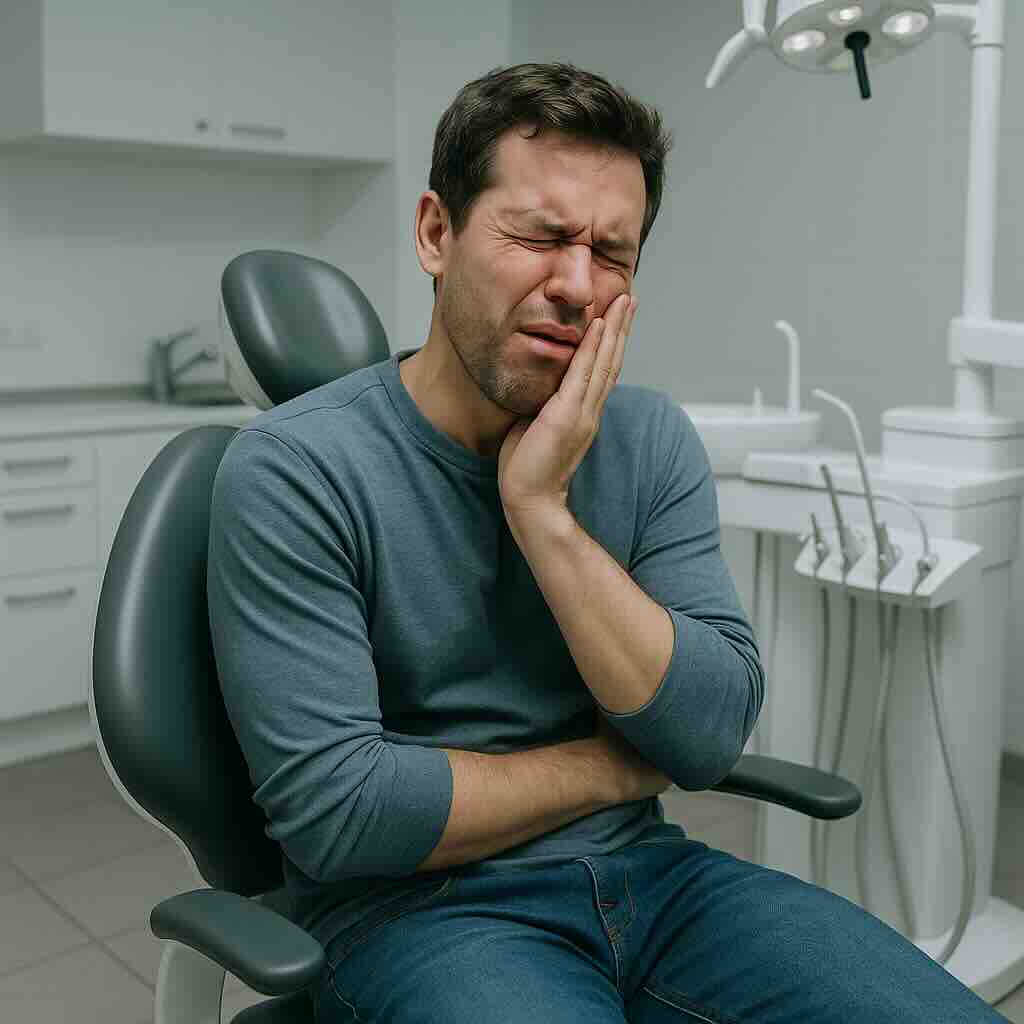
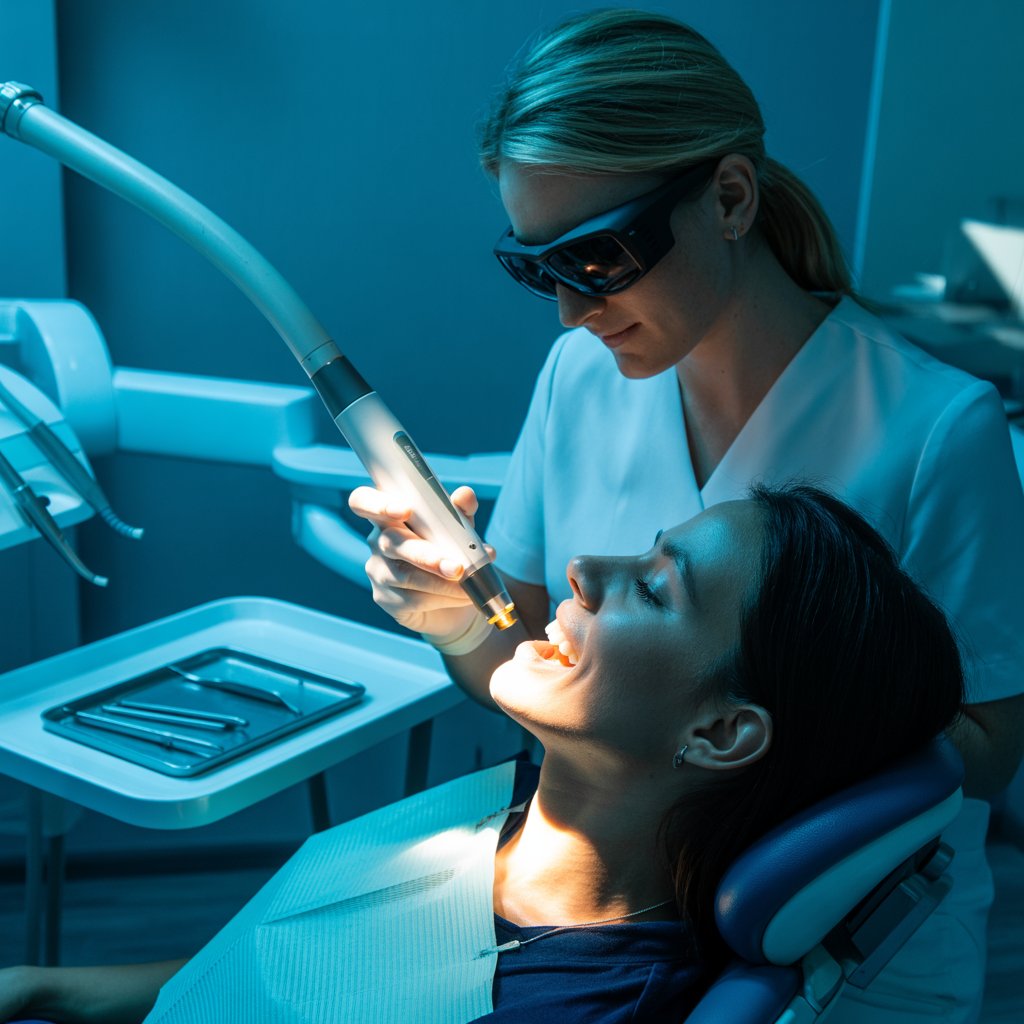
A chipped tooth gets attention fast because people can see it. Gum injuries and soft tissue trauma often look less dramatic at first, yet they can be every bit as urgent. A split lip, a torn frenum, a deep bite to the cheek, or bleeding around the gums after a fall can turn into a genuine dental emergency within hours. Pain increases, swelling spreads, eating becomes difficult, and a wound that seemed minor can hide a more serious injury to the teeth, bone, or periodontal tissues.
This is where an Emergency Dentist plays a very specific role. Soft tissue injuries in and around the mouth sit at the overlap of dentistry and urgent care. The challenge is not simply to stop bleeding. It is to protect the teeth, preserve the gum architecture, reduce infection risk, and make sure the injury heals without creating later problems such as recession, chronic irritation, trapped food, or cosmetic defects.
People are often surprised by how much precision is involved. The tissues inside the mouth heal quickly, but they also swell fast, bleed heavily, and move constantly when you speak, chew, and swallow. Good treatment in the first few hours matters. It can be the difference between a smooth recovery and a wound that reopens every time you brush your teeth.
What counts as a gum or soft tissue dental emergency
Soft tissue damage includes injuries to the gums, lips, cheeks, tongue, the floor of the mouth, and the tissue attachments around the teeth. Some wounds are superficial abrasions. Others are lacerations, punctures, crush injuries, avulsions, or tears caused by blunt trauma, sports accidents, sharp foods, broken dental restorations, orthodontic wires, or falls.
Not every sore spot needs urgent care. A mild irritation from aggressive brushing can usually wait for a regular dental visit. By contrast, a gum flap hanging loose after trauma, a deep cut inside the cheek, or ongoing bleeding after a blow to the mouth should be assessed promptly. The same is true when the gums look displaced from the teeth, when tissue is trapped between fractured tooth segments, or when the injury happened with significant force and there may be hidden damage underneath.
In practice, some of the most common urgent presentations include a child who falls into a coffee table and tears the upper lip frenum, an adult who bites through the inside of the cheek after a local anesthetic wears off unevenly, a basketball player who takes an elbow to the mouth and develops bleeding gums around loosened front teeth, or a patient with a broken molar whose sharp edge repeatedly slices the tongue. Each scenario has its own treatment priorities.
Why gum injuries can be more serious than they look
The mouth is richly supplied with blood vessels. Even a relatively small cut can bleed impressively, which understandably alarms patients. At the same time, the amount of visible blood does not always reflect the severity of the injury. A shallow lip cut can bleed a lot and heal beautifully. A more dangerous periodontal injury, where the gum attachment is torn away from the tooth or the supporting structures are damaged, may bleed less but carry higher long term risk.
Gum tissue also matters aesthetically. If the tissue margin around a front tooth is injured and heals in a distorted position, the smile can look uneven for years. Around the back teeth, bulky scar tissue or flap defects can trap plaque and food, creating chronic inflammation. When tissue loss exposes root surfaces, sensitivity becomes a real issue. Patients often focus on pain in the moment, but the dentist has to think three steps ahead.
There is also the issue of contamination. Oral wounds are not sterile. Saliva helps healing in some ways, but it also means bacteria are everywhere. A clean linear cut made by a sharp object behaves differently from a dirty crush injury involving gravel, sports turf, or a pet claw. That distinction influences whether a wound should be closed, trimmed, irrigated more aggressively, or monitored differently afterward.
The first questions an Emergency Dentist asks
A proper emergency evaluation starts with the story of how the injury happened. Mechanism matters. A bite injury, for example, often causes crushing and irregular wound edges. A sports injury may involve tooth displacement or jaw trauma. A cut from a broken denture flange can be deceptively repetitive, meaning the wound will never heal until the source of irritation is removed.
The dentist will usually want to know when the injury occurred, whether bleeding has stopped, if any tooth feels loose, whether there was loss of consciousness, and whether the patient can open and close normally. Tetanus status may be relevant in some trauma cases, especially when the wound was contaminated and the injury did not occur in a clean household setting.
Examination then shifts from the obvious wound to the structures around it. This is a point many patients do not expect. A gum laceration beside an apparently intact tooth may still require x rays if there is concern about root fracture, bone injury, or a fragment embedded in tissue. Lip wounds are another classic example. If a front tooth chipped during impact, tiny enamel fragments can lodge inside the lip. If those are not removed, the area may stay tender and inflamed, and the patient may later feel a hard spot under the skin.
What to do before you get to the dental office
The best first aid is calm, clean, and simple. Overhandling the wound usually makes things worse. Patients sometimes rinse aggressively with very hot salt water, scrub the area, or keep pulling the lip down to inspect it. That tends to restart bleeding and irritate the tissue.
If you suspect you need an Emergency Dentist, these are the immediate steps that help most:
- Apply steady pressure with clean gauze or a clean cloth for about 10 to 15 minutes without repeatedly checking the wound.
- Use a cold compress on the outside of the face in short intervals to reduce swelling.
- Rinse gently with cool water if there is debris, but do not probe the wound with fingers, tweezers, or cotton swabs.
- Avoid aspirin if active bleeding is significant, since it can make bleeding harder to control for some patients.
- Save any broken tooth fragment or dental appliance piece if one is involved, and bring it to the appointment.
That short window before treatment often shapes the rest of the day. I have seen patients arrive with tissues that are much easier to manage because they did one thing well, they held firm pressure continuously instead of lifting the gauze every 20 seconds to see whether it had worked yet.
When same day care is important
Timing matters with oral soft tissue trauma. Many injuries are best treated within the same day, especially when wound edges are separated, bleeding persists, or the gum tissue has been displaced.
You should seek urgent evaluation if any of these are happening:
- Bleeding continues after 10 to 15 minutes of firm pressure.
- A cut looks deep, gaping, or large enough to trap food.
- A tooth feels loose, displaced, or painful to bite on after the injury.
- Swelling, difficulty swallowing, or limited mouth opening is developing.
- The injury involves a child, significant facial trauma, or possible foreign material in the wound.
Those are practical triggers, not dramatic ones. People often wait because the pain is tolerable, only to discover the next morning that the wound edges have rolled, the tissue has swollen, and closure is no longer straightforward. Early treatment is usually cleaner and more predictable.
How an Emergency Dentist treats soft tissue injuries
Treatment depends on the tissue involved, the shape of the wound, the degree of contamination, and whether teeth or bone are also injured. The broad goals are to control bleeding, reduce bacterial load, remove debris, restore tissue position, and protect healing.
For many smaller injuries, careful irrigation is the main event. A superficial abrasion on the gum or inner cheek may need nothing more than cleaning, pressure control, and instructions for home care. A sharp tooth edge causing the injury might be smoothed, covered temporarily, or restored right away so the wound is not repeatedly traumatized.
Lacerations are more nuanced. Some oral cuts do not need stitches because the mouth heals well and the tissue naturally reapproximates. Others absolutely benefit from suturing. In general, a deep or gaping wound, one that crosses the natural vermilion border of the lip, or one with a mobile tissue flap is more likely to need closure. Suturing in the mouth is less about making it look neat in the moment and Emergency Dentist more about restoring anatomy so the tissue heals in the right place.
Gum injuries around teeth deserve special care. If the gingiva has been torn away from the tooth neck or interdental papilla, the dentist may reposition the tissue and secure it delicately. This is not cosmetic fussiness. Proper tissue adaptation helps protect the periodontal attachment and reduces the risk of later recession. If the tooth itself is mobile, splinting may be needed in addition to soft tissue management.
When tissue has been crushed or devitalized, not every piece should simply be stitched back and hoped for the best. One of the harder judgment calls in emergency care is deciding what will survive and what will not. Tissue with a poor blood supply, grey discoloration, or severe contamination may need conservative trimming so the remaining healthy tissue can heal predictably. That decision is experience driven.
The special case of gum injuries around loose or displaced teeth
A common mistake is to separate the gum injury from the tooth injury. In reality, they often occur together. If the gums bleed heavily around one or two teeth after an impact, the concern is not just a laceration. The periodontal ligament may be bruised, torn, or compressed. The tooth may be subluxated, intruded, extruded, or fractured below the gum line.
This changes treatment. The dentist may check tooth mobility, percussion sound, bite interference, and radiographic signs of root or alveolar injury. Sometimes the gum wound is the visible clue that prompts a more important diagnosis. A front tooth that looks only slightly longer than its opposite neighbor can represent an extrusion injury. If not repositioned promptly, that tooth may heal in the wrong place and develop later complications.
Children present their own challenges. Primary teeth and permanent teeth respond differently to trauma. A blow to the gums over a developing permanent tooth can affect eruption or enamel formation. Parents naturally focus on the blood, but the dentist is thinking about growth, tooth buds, and follow up.
Tongue, cheek, and lip injuries need thoughtful management
Tongue wounds often frighten patients because they bleed dramatically and the tongue swells quickly. Yet many small tongue lacerations heal extremely well without sutures. The key questions are whether the wound is deep, whether the edges gape at rest, and whether the injury affects the border or tip in a way that could alter function. A small central bite mark is not the same as a split along the Emergency Dentist edge.
Cheek injuries inside the mouth are frequently caused by accidental biting, trauma, or sharp fractured teeth. The challenge here is repeated motion. Every meal, every sentence, every yawn pulls at the tissue. If the source of trauma remains, the wound becomes chronic. That is why treatment often includes adjusting the tooth, replacing the broken filling, or smoothing the appliance, not just treating the sore area itself.
Lip injuries deserve close inspection because cosmetic alignment matters. Even a few millimeters of mismatch at the border where the pink and skin portions of the lip meet can remain visible. If a lip cut extends through multiple layers, closure may be more complex than patients expect. In some cases, a dentist may treat the intraoral part and coordinate medical or surgical care for the external component if the injury exceeds the scope of office management.
Pain control and infection concerns
One reason patients seek an Emergency Dentist quickly is pain that seems disproportionate to the size of the wound. Oral tissues are densely innervated, and exposed connective tissue stings sharply with air, food, toothpaste, and speech. Fortunately, pain often improves significantly once the wound is cleaned, approximated properly, and protected from further trauma.
Antibiotics are not automatic. This is an area where good judgment matters. A clean minor oral laceration in a healthy patient may not need them at all. A contaminated wound, a bite injury, a crush injury, an immunocompromised patient, or an injury associated with bone exposure may change that calculus. Overprescribing helps no one. Underestimating infection risk is just as unhelpful.
Mouth rinses can be useful, but timing and type matter. Right after treatment, some wounds do better with simple gentle rinsing rather than strong antiseptic use. Later, a prescribed antimicrobial rinse may support healing. The dentist will also usually talk about diet for a few days, softer foods, less heat, less spice, and nothing sharp enough to catch on sutures or tender tissue.
Healing usually moves quickly, but not always neatly
Patients often expect the mouth to heal overnight because minor canker sores and cheek bites sometimes do. Many soft tissue injuries improve fast, but healing is not always linear. The first 24 hours may bring increased swelling. A white or yellowish surface layer can form on the wound and look alarming. In many cases, that is part of normal fibrin healing rather than pus.
The harder part is functional healing. Can the patient brush gently without reopening the site? Can they eat without tearing the clot? Are the tissues settling into a contour that will still look healthy after the swelling disappears? That is why follow up matters, especially around the gumline. A wound can close and still heal poorly if plaque collects around sutures, if a rough temporary crown keeps rubbing it, or if a mobile tooth was missed at the first visit.
I remember a patient who came in after catching the gum between two front teeth on a cracked fingernail while trying to remove spinach at dinner. It sounded trivial over the phone. In the chair, the interdental tissue had partially avulsed and the contact area trapped it every time she bit down. It was a small injury, but not a simple one. Once the tissue was repositioned, stabilized, and protected from occlusal trauma, the area healed far better than it would have if she had just waited it out.
Situations that need referral beyond the dental office
Not every soft tissue emergency belongs entirely in general dental care. Deep facial lacerations, suspected jaw fractures, uncontrolled bleeding, airway concerns, severe infections, and injuries involving salivary ducts or extensive tissue loss may require oral surgery, hospital evaluation, or emergency medical care. A good Emergency Dentist knows when to treat, when to co-manage, and when to refer without delay.
This is especially important with floor of mouth swelling, rapidly spreading infection, altered breathing, or trauma involving possible head injury. Dental emergencies are sometimes part of a larger medical emergency. If the patient is dizzy, disoriented, vomiting, or showing neurological symptoms after a facial blow, the dental injury is no longer the only priority.
What recovery at home usually involves
Home care often determines the final result. The first night is usually about protecting the clot and limiting swelling. Patients do best when they rest, keep their head slightly elevated, avoid smoking or vaping, and choose food that does not require forceful chewing. Brushing should continue, but gently and around the wound rather than directly over it unless specific instructions say otherwise.
Sutures in the mouth may dissolve or may need removal, depending on the material used. Patients should not assume that a dangling thread means something went wrong. On the other hand, a sudden increase in pain, renewed bleeding, foul taste, fever, or a wound that opens widely deserves a call back. With gum injuries near teeth, there may be additional follow up to check pulp vitality, mobility, or periodontal healing over the following weeks.
One practical point that helps many people, the mouth feels larger and rougher during healing than it actually is. The tongue constantly checks the area, which makes patients think the injury is worsening. Often, it is simply swollen tissue and sutures doing what they do.
Preventing the next emergency
Prevention advice is not glamorous, but it is often very specific. Sports guards prevent a remarkable amount of soft tissue trauma because they cushion both the teeth and the inside of the lips. Smoothing chipped restorations promptly can stop repeat tongue and cheek injuries. Replacing fractured dentures and adjusting rough orthodontic components saves a lot of avoidable pain.
Even everyday habits matter. Many gum lacerations come from using fingernails, metal picks, or improvised tools to dislodge food. It only takes one sharp slip. Floss, interdental brushes, or a water flosser are far safer than the common but risky habit of digging between teeth with whatever is nearby.
Why prompt treatment pays off
When people hear the term Emergency Dentist, they often imagine abscesses and broken teeth. Soft tissue injuries belong firmly on that list. The benefit of fast care is not only comfort. It is accurate diagnosis, cleaner wound management, better tissue alignment, lower infection risk, and a much better chance that the gums and oral tissues will look and function normally after healing.
A mouth injury can deteriorate quickly from nuisance to genuine problem. Bleeding, swelling, contamination, and hidden dental trauma do not always announce themselves clearly in the first hour. Getting the area assessed while the tissues are still fresh gives the dentist options. Wait too long, and those options narrow.
For gum injuries and soft tissue damage, early, skilled care is not an overreaction. It is often the most conservative choice available.
Vitality Dental
1220 Coit Rd # 106, Plano, TX 75075, United States
+1 972-645-4100
FAQ About Emergency Dentist
What counts as a dental emergency?
A knocked-out tooth, significant mouth injury, severe tooth pain, or painful swelling warrants prompt evaluation. Call your dentist and describe your symptoms so the office can advise you on how urgently you need care.
What should I do if I knock out a permanent tooth?
Call a dentist immediately. Handle the tooth by the crown, avoid touching the root, and keep it moist. If you cannot put it back into the socket easily, transport it in milk or a tooth-preservation solution. Bring it with you to the appointment.
Should I go to the emergency room for a dental emergency?
Seek emergency medical care right away if you have trouble breathing or swallowing, uncontrolled bleeding, or a serious facial injury. For an isolated tooth injury or toothache without those symptoms, call a dentist promptly for guidance.