Emergency Dentist Plano, TX: Quick Answers to Common Dental Emergencies
Dental emergencies rarely happen at a convenient time. A cracked molar shows up halfway through dinner, a child takes an elbow during a weekend game, or a nagging toothache suddenly turns into sharp, throbbing pain at 2 a.m. When that happens, people usually want the same thing: a straight answer about whether they need urgent care, what they should do right now, and how fast they need to be seen.
If you are searching for an emergency dentist Plano, TX, the most useful information is not vague advice. It is practical guidance. Some problems can safely wait until morning. Others need same-day treatment to save a tooth, stop an infection from spreading, or control bleeding. Knowing the difference can save you pain, time, and in some cases, a far more involved procedure later.
What counts as a true dental emergency?
A dental problem becomes an emergency when delaying care increases the risk of losing a tooth, worsening an infection, or causing significant pain or bleeding. That sounds simple, but in real life there is often a gray area. A lost filling at noon may be uncomfortable but manageable. The same lost filling becomes more urgent when the exposed tooth is extremely sensitive or the remaining tooth structure is sharp enough to cut your tongue.
In practice, the most common emergencies include severe toothaches, broken or cracked teeth, knocked-out teeth, facial swelling, abscesses, uncontrolled bleeding, and injuries to the gums or lips that involve the teeth or jaw. Problems with crowns, bridges, or dentures can also become urgent if they prevent normal eating, create severe pain, or leave a tooth vulnerable.
The speed of treatment matters. A knocked-out permanent tooth has the best chance of being saved when it is replanted quickly, ideally within 30 to 60 minutes. An untreated infection can move from a sore tooth to swelling in the face, jaw, or neck faster than many people expect. I have seen patients try to “wait it out” through a weekend, only to need more extensive treatment on Monday because a small problem had become a big one.
The first question to ask: dentist or emergency room?
This is where many people hesitate. If the issue is dental, they assume the dentist is the right call. Often that is true. But there are times when the emergency room is the safer first stop.
Go to the ER immediately if you have trouble breathing, trouble swallowing, swelling that is spreading into the face or neck, uncontrolled bleeding, fever with worsening facial swelling, or trauma that may involve a broken jaw, concussion, or other serious injury. Those situations can move beyond dentistry and require medical imaging, IV antibiotics, airway support, or surgical care.
If the problem is intense tooth pain, a chipped or broken tooth, a dislodged crown, a lost filling, a dental abscess without breathing issues, or a knocked-out tooth, an emergency dentist in Plano, TX is usually the right place to start. Dental offices have the tools to treat the tooth itself, which an ER generally does not. Emergency departments are excellent for stabilizing dangerous symptoms, but they usually do not perform root canals, place crowns, or reattach restorations.
What to do in the first 15 minutes
The first few minutes after a dental injury matter. Panic tends to make people rush, rinse with the wrong thing, or handle the tooth in a way that lowers the odds of saving it. A calm, simple response is far more effective.
- If there is bleeding, apply gentle pressure with clean gauze or a cloth.
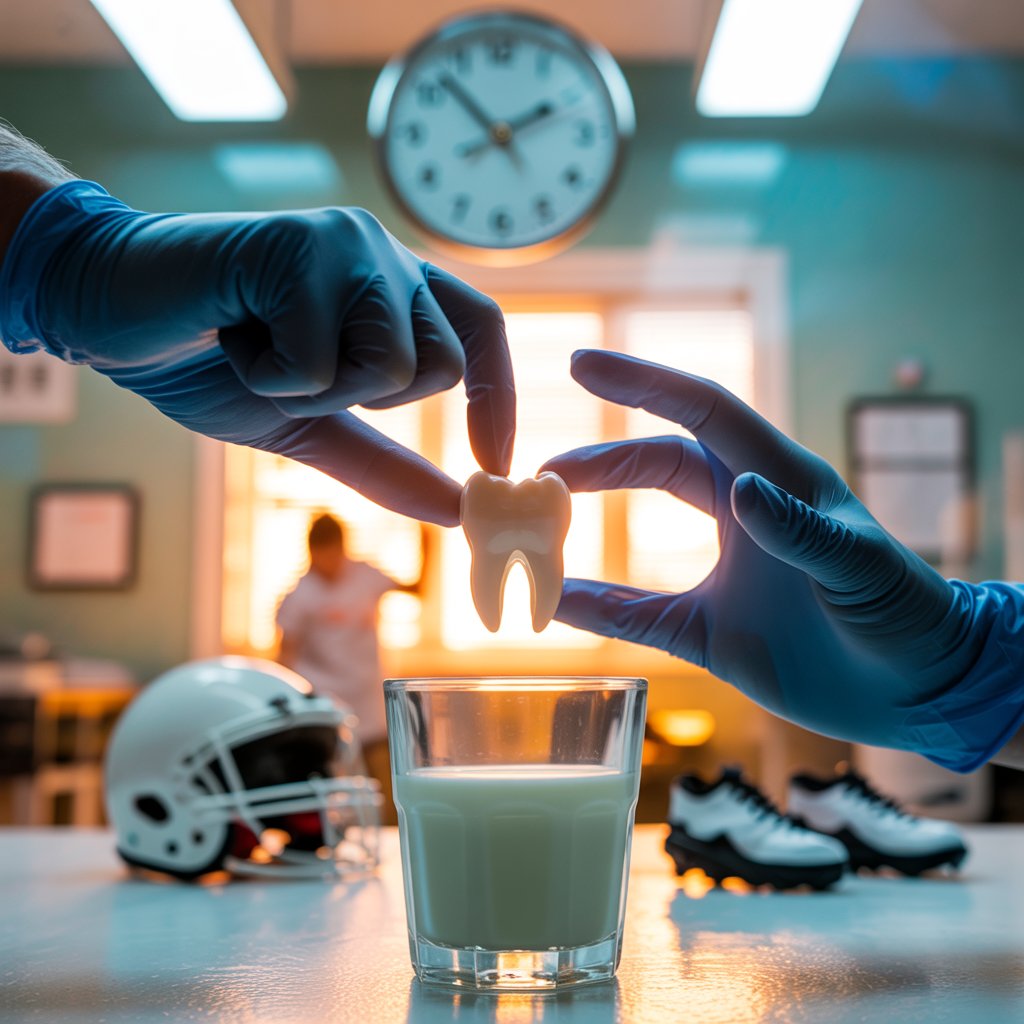
- If a permanent tooth is knocked out, hold it by the crown, not the root, and keep it moist in milk or saliva.
- If swelling starts, use a cold compress on the outside of the face for 10 to 15 minutes at a time.
- If pain is sharp or throbbing, avoid very hot, very cold, or sugary foods and drinks.
- Call an emergency dentist as soon as possible and describe exactly what happened and when.
Those steps are basic, but they make a real difference. A tooth left dry on a bathroom counter loses viability quickly. A patient who keeps it in milk and gets to the office fast gives the dentist a much better chance to save it.
Severe toothache: when pain means more than a cavity
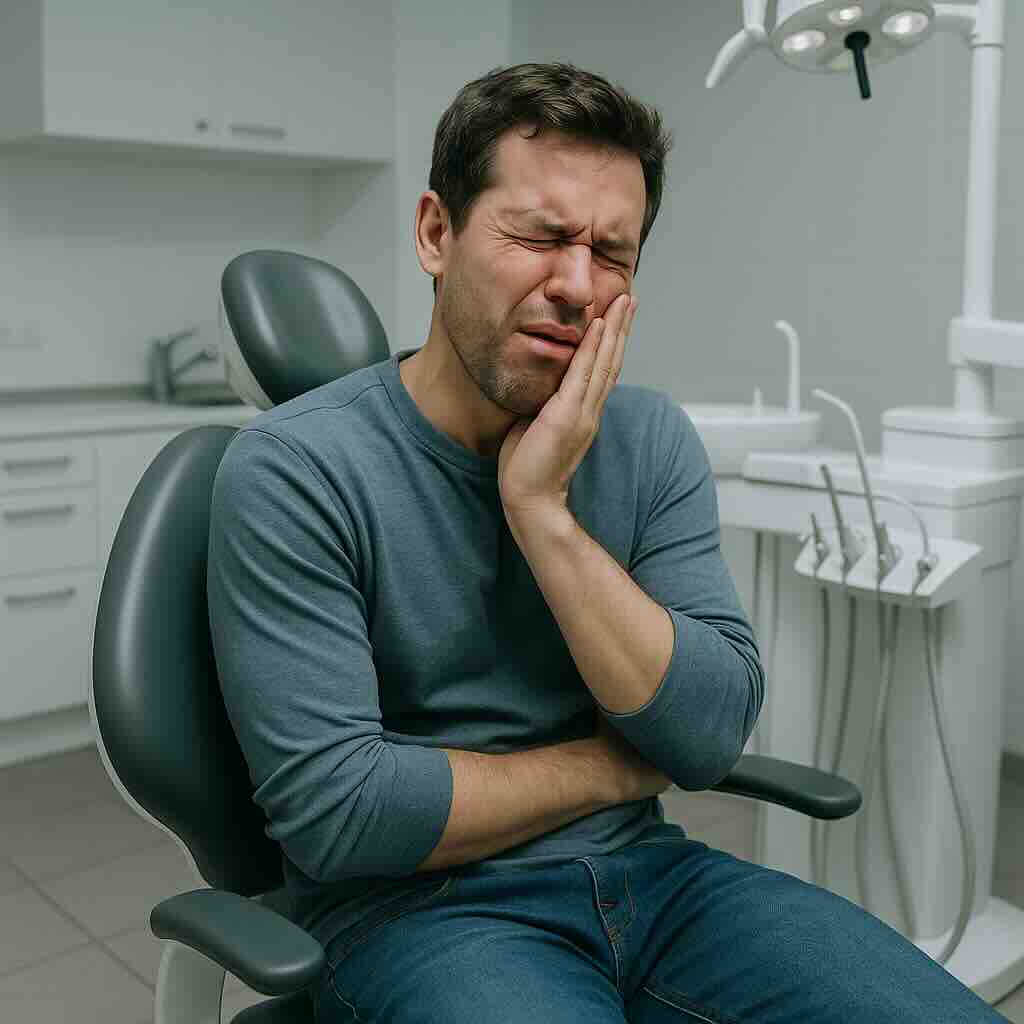
Not every toothache is an emergency, but severe pain is your body’s way of signaling that something active is happening. The cause may be deep decay, a cracked tooth, an exposed nerve, gum infection, or an abscess. People often describe emergency-level dental pain as throbbing, radiating, or impossible to ignore. It may wake you from sleep, worsen when you bite down, or come with pressure, swelling, and sensitivity to temperature.
A common mistake is assuming that if the pain briefly eases, the danger has passed. Sometimes the opposite is true. If the nerve inside the tooth dies, pain may drop off for a while, but the infection can continue spreading at Emergency dentist Plano, TX the tip of the root. That is why relief from pain does not always mean healing.
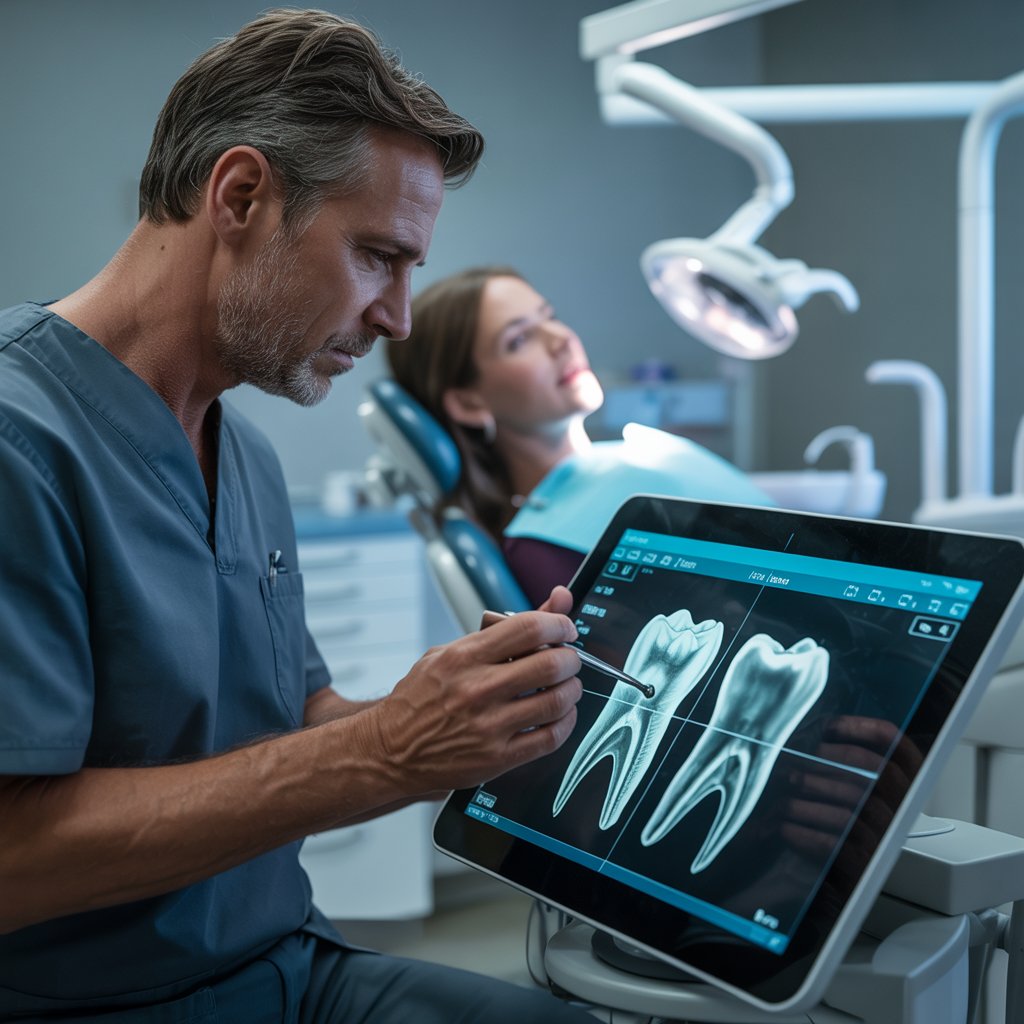
Until you can be seen, rinse gently with warm salt water, keep the area clean, and use over-the-counter pain medicine as directed on the label if you can safely take it. Avoid placing aspirin directly on the gum. People still do this, and it can irritate or burn the tissue without solving the underlying problem. A dentist will usually examine the tooth, take an X-ray if needed, and determine whether the right treatment is a filling, root canal, drainage of infection, extraction, or a more temporary measure to stabilize you until definitive care is possible.
Knocked-out tooth: speed matters
A knocked-out permanent tooth is one of the clearest true dental emergencies. Time is the deciding factor. The ligament cells on the root surface begin to dry out quickly, and those cells are essential if the tooth is going to reattach successfully.
If it is a permanent tooth, gently pick it up by the top part that you normally see in the mouth. Do not scrub the root or scrape it clean. If it is dirty, a brief rinse with saline or clean water is fine, but keep it light. In some cases, an adult can place the tooth back into the socket right away and hold it there with gentle pressure. If that feels too difficult, store it in milk and head to the dentist immediately.
If the tooth belongs to a young child and it is a baby tooth, do not try to reinsert it. That can damage the developing permanent tooth underneath. The child should still be evaluated promptly, because the surrounding tissue, bite, and neighboring teeth may also have been injured.
In offices that handle this often, the dentist will assess the socket, reposition the tooth if possible, and stabilize it with a splint. Follow-up care may involve monitoring the nerve, taking future X-rays, and sometimes performing root canal treatment later, depending on the patient’s age and the type of injury.
Broken, chipped, or cracked teeth
A chipped front tooth from a fall is the classic visible dental emergency, but cracks in back teeth can be more urgent than they look. Some small chips are mostly cosmetic. Others expose dentin, trigger severe sensitivity, or extend under the gumline where the tooth becomes hard to restore.
Patients usually ask whether they can wait. The answer depends on the depth of the damage, the pain level, and whether the tooth is structurally stable. If the tooth is sharp but not painful, you may have a little time. If biting sends a jolt through the tooth, or if part of the tooth has broken off and left a deep hole, it should be treated promptly.
A useful detail to mention when you call the office is whether the tooth hurts only when biting, hurts with cold air, or aches constantly. Those clues help the dentist gauge whether the crack may involve the nerve. Save any fragments if you can. Sometimes they help with repair planning, especially for front teeth.
Treatment may be as simple as smoothing the edge and bonding the tooth, or as involved as a crown, root canal, or extraction if the fracture is severe. The reason dentists like to see cracked teeth sooner rather than later is that chewing forces can spread the crack deeper each day.
Swelling, abscesses, and signs of infection
A dental abscess is not just a bad toothache. It is an infection, often bacterial, that can build pressure and spread into nearby tissues. Some abscesses drain on their own through the gum and create a bad taste in the mouth. Others stay trapped and cause intense pain, facial swelling, tenderness, and fever.
Swelling on one side of the face is always worth taking seriously. A small bump on the gum near a sore tooth may still need same-day attention, but swelling in the cheek, jaw, or under the eye raises the urgency. If the swelling is progressing, especially with fever or trouble swallowing, do not wait.
Dentists treat abscesses by addressing the source. That may mean draining the infection, starting antibiotics when indicated, and then either performing root canal therapy or removing the tooth if it cannot be saved. Antibiotics alone are usually not the whole answer. They can help control infection, but they do not remove dead tissue or eliminate the source inside the tooth.
I have heard many people say they hoped the swelling would “break” and resolve on its own. Sometimes pain does lessen temporarily when pressure drains, but the infection can remain active. That is why professional treatment matters even if the pressure eases.
Lost crown, bridge, or filling
These problems often feel less dramatic, but they can turn urgent fast. A crown that comes off a back molar may leave a tooth so sensitive that eating becomes nearly impossible. A lost filling can expose a cavity or weakened wall of tooth structure, making the tooth more likely to fracture. If the restoration is part of a bridge, the issue can also affect your bite and place extra force on neighboring teeth.
If a crown comes off and is intact, keep it clean and bring it with you. Avoid chewing on that side. Some pharmacies sell temporary dental cement, which can help in a pinch, but it is not a substitute for a proper fit. Household glues are never appropriate in the mouth. They can damage tissue and make definitive treatment harder.
A dentist will evaluate whether the original restoration can be re-cemented, whether the tooth underneath has decayed or cracked, and whether a new restoration is needed. It is not unusual for a crown to come loose because the underlying tooth changed, not because the cement simply “wore out.”
Bleeding after trauma or after an extraction
Some oozing after dental work is common. Bright red bleeding that continues despite pressure is not. If you had a tooth removed earlier in the Emergency dentist Plano, TX day and the gauze is still filling quickly after several rounds of firm pressure, you should call the office. The same is true after trauma to the mouth, especially if you cannot identify exactly where the blood is coming from.
The mouth contains a rich blood supply, so even small injuries can look dramatic. Usually, direct pressure is the key. Sitting upright helps. So does avoiding vigorous rinsing, spitting, smoking, or using a straw after an extraction, all of which can disturb the clot. Patients are often surprised by how often the bleeding slows once they stop checking the socket every few minutes.
Persistent bleeding deserves professional evaluation. It may be related to the site itself, to medications that affect clotting, or to a laceration that needs attention. If the bleeding is heavy and does not respond to pressure, or if the person feels faint, medical evaluation becomes more urgent.
Jaw pain, bite changes, and injuries that seem “off”
Not every emergency is obvious on the surface. Sometimes the tooth is still in place, there is no major bleeding, but the bite suddenly feels wrong after a fall or blow to the face. A tooth that feels taller than it did an hour ago may have shifted in the socket. A child who says “my teeth don’t match anymore” after sports trauma should be examined promptly.
Jaw injuries also deserve caution. Pain in front of the ear, difficulty opening fully, or a sense that the lower jaw moves unevenly can suggest more than a dental issue. A dentist may be the first call if the concern is primarily the teeth, but suspected jaw fracture, severe facial trauma, or inability to close the mouth normally can require hospital imaging and broader medical care.
This is one of those situations where experience matters. Minor tooth movement may be stabilized in the office. A true skeletal injury needs a different level of evaluation.
What an emergency dental visit usually looks like
People often delay urgent care because they assume the visit will be long, expensive, or immediately involve a major procedure. In reality, emergency appointments are usually focused and efficient. The main goals are to relieve pain, control infection or bleeding, protect the tooth, and make a clear treatment plan.
A typical emergency visit may include a short history, targeted X-rays, an exam, and one stabilizing treatment the same day. That might be smoothing a fractured edge, re-cementing a crown, opening a tooth to relieve pressure, placing a temporary restoration, draining an abscess, or prescribing medication when appropriate. If the ideal definitive treatment requires more time, the office will often first get you comfortable and safe, then schedule the next step.
One of the best things a patient can do is bring accurate information. Know your medications, allergies, medical conditions, and when the problem started. If the issue followed an accident, say exactly how it happened. Details matter. A tooth that cracked while chewing ice raises different concerns than one that fractured after a hit to the face.
When you can safely wait until regular office hours
Not every problem needs a same-day appointment. If a tooth is mildly sensitive after biting something hard, a small chip has no pain, or a temporary crown loosens without exposing a painful tooth, it may be reasonable to wait a short time, especially if symptoms are stable. The key word is stable. If pain increases, swelling begins, or your bite changes, the situation has moved into a more urgent category.
Here is a simple way to think about it.
- Wait and monitor if the discomfort is mild, there is no swelling, and you can eat and sleep normally.
- Call promptly for same-day or next-day care if pain is significant, a tooth is cracked, or a restoration has left the tooth exposed.
- Seek immediate attention for a knocked-out permanent tooth, visible swelling, pus, fever, or persistent bleeding.
- Go to the ER if breathing, swallowing, or major facial trauma is involved.
That kind of triage helps people avoid two common mistakes: underreacting to real emergencies and overreacting to minor issues that can safely be seen during routine hours.
Choosing an emergency dentist in Plano, TX
When you need urgent care, convenience matters, but so does capability. An office that advertises emergency visits should be able to assess pain quickly, take diagnostic images, and offer same-day stabilizing treatment for the common problems patients actually face. It also helps if the team communicates clearly. During a dental emergency, people are often frightened, sleep-deprived, or in significant pain. Calm, direct instructions make the whole experience better.
If you are looking for an emergency dentist Plano, TX, ask practical questions. Do they reserve same-day appointments? Do they handle trauma, infections, and broken teeth in-house? What are their after-hours instructions? If you call with a knocked-out tooth, a good office should tell you what to do before you arrive, not just tell you to come in.
Families also benefit from having a plan before an emergency happens. Know which office you would call. Save the number in your phone. Keep a small dental first-aid kit at home with gauze, a small container with a lid, and over-the-counter pain relief that is safe for your household. Those simple preparations feel minor until the evening a child comes home with a chipped front tooth.
A final practical note about acting quickly
Most dental emergencies are easier to treat in the first hours than after several days of delay. Pain tends to intensify, cracks spread, infections swell, and simple repairs can turn into more extensive care. The good news is that prompt treatment often prevents the worst-case scenario. A fast exam can mean the difference between a straightforward filling and a root canal, between saving a knocked-out tooth and replacing it later, between one visit and several.
If something feels wrong in your mouth and it is getting worse, trust that signal. Dental emergencies are rarely improved by waiting and hoping. They are improved by clear triage, smart first steps, and timely professional care. When you need an emergency dentist in Plano, TX, the goal is simple: protect your health, control the problem quickly, and preserve as much of your natural tooth structure as possible.
Vitality Dental
1220 Coit Rd # 106, Plano, TX 75075, United States
+1 972-645-4100
FAQ About Emergency dentist Plano, TX
Will the ER do anything for dental pain?
An emergency department can assess urgent symptoms and provide medical stabilization. Definitive treatment of the tooth usually requires a dentist. Seek emergency medical care for breathing or swallowing difficulty, uncontrolled bleeding, or serious facial injury.
What to do if I have a dental emergency in the middle of the night?
Contact a dentist or after-hours dental service promptly for guidance. If a permanent tooth is knocked out, keep it moist in milk while seeking immediate care. If symptoms suggest a medical emergency, go to an emergency department.
What qualifies as a dental emergency?
A knocked-out permanent tooth, severe or persistent tooth pain, a significant dental injury, or swelling may require urgent dental assessment. Call a dentist to describe the symptoms and determine timing. Uncontrolled bleeding or difficulty breathing or swallowing requires emergency medical care.