Emergency Dentist Advice for Tooth Pain That Won’t Go Away
A toothache that lingers past a day or two has a way of taking over everything. It interrupts meals, sleep, concentration, exercise, and often patience. People who can ignore a sore shoulder or work through a headache usually find dental pain much harder to push aside. That is partly because tooth pain tends to pulse, stab, or throb in a way that feels constant, and partly because it often worsens at night, when there are fewer distractions and blood flow shifts with lying down.
When pain will not settle, the question is no longer whether something is wrong. The real question is how urgent the problem is, what you can safely do at home for a few hours, and when an Emergency Dentist should step in. Persistent dental pain is not a diagnosis by itself. It is a signal, and the signal can come from a deep cavity, a cracked tooth, a dying nerve, an abscess, inflamed gums, a failed filling, pressure from grinding, an erupting wisdom tooth, or even a sinus issue that only feels like a tooth problem. Sorting that Emergency Dentist out quickly matters because some causes are merely uncomfortable, while others can turn into infections that spread or damage that becomes much harder to repair.
The practical challenge is that most people wait longer than they should. They hope the pain is from something caught between the teeth, a little sensitivity, or a problem that will disappear after a rinse and an early night. Sometimes that happens. More often, the tooth quiets down temporarily and then returns angrier than before. I have seen plenty of patients describe the same pattern: a few twinges with cold drinks, then several pain-free days, then sudden pain while chewing, then a night spent pacing the floor. By the time they call an Emergency Dentist, the tooth has usually been warning them for weeks.
What persistent tooth pain usually means
The mouth does not produce many false alarms. If a tooth hurts for several days, or keeps returning, some tissue is inflamed, infected, cracked, or under unusual pressure. A cavity is one common cause, but not the only one, and sometimes not even the most urgent one. Decay can start painlessly on the enamel and then become sensitive when it reaches the dentin. Once bacteria get close to the pulp, where the tooth’s nerve and blood supply sit, pain often changes character. It can become spontaneous, throbbing, or triggered by heat. At that point, a simple filling may no longer solve it.
Cracks create another pattern that patients often miss. The pain may be sharp when biting down and then disappear the moment the pressure is released. People describe it as feeling like the tooth is “catching” or “splitting” for a second. Tiny fractures are notoriously hard to spot in the mirror, and sometimes even hard to see on X-rays. Yet they can expose the inner tooth enough to cause intense pain, especially when chewing tougher foods.
Infections near the root are especially important. A tooth abscess may begin with a deep ache or throbbing, then progress to swelling, tenderness, bad taste, or pain that seems to radiate into the jaw, ear, or temple. Not every abscess causes obvious facial swelling right away. Some stay hidden beneath the gum or near the root tip. Waiting on them is risky. Dental infections do not usually resolve on their own, and when they spread, the situation can move from painful to dangerous.
Then there are the less obvious cases. Severe gum inflammation can mimic tooth pain. So can clenching and nighttime grinding, which overload the ligament around a tooth and create a bruised, aching sensation. Impacted wisdom teeth often cause soreness at the back of the mouth that people mistake for a cavity in a molar. Even a sinus infection can cause upper back teeth to feel sore or pressured because their roots sit close to the sinus floor. This is one reason a proper exam matters. The treatment for each cause is different, and guessing wastes time.
When an Emergency Dentist should be your next call
A lot of dental pain is urgent even if it is not dramatic. You do not need to be bleeding heavily or have half a tooth in your hand to justify an emergency appointment. The term Emergency Dentist covers more than major trauma. In practice, it often means a dentist who can see you quickly, assess pain, stop the progression of a problem, and decide whether you need same-day treatment.
These signs usually mean you should seek urgent care rather than wait for a routine opening:
- Tooth pain that keeps you from sleeping, eating, or functioning normally
- Swelling in the gums, face, or jaw, especially if it is increasing
- Pain with fever, a foul taste, or drainage near the tooth
- Sharp pain when biting, or a cracked or broken tooth with exposed sensitive areas
- Trouble opening your mouth, swallowing, or breathing, which needs immediate medical attention
That last point matters more than many people realize. If swelling affects swallowing, breathing, or the floor of the mouth, do not just search for an Emergency Dentist and wait it out. That can be an emergency room situation. Dental infections are usually manageable when treated early. They become far more serious when swelling spreads into deeper spaces of the head and neck.
A lower level of urgency still deserves prompt attention. If the pain is moderate but persistent, if cold sensitivity now lasts for minutes instead of seconds, or if a tooth that was merely “touchy” now hurts on its own, the problem is progressing. Calling early often means simpler care, lower cost, and a better chance of saving the tooth.
Why pain often gets worse at night
Patients are often puzzled by this. During the day, the tooth is irritating but manageable. At night, it feels impossible. There are a few reasons. Lying down changes pressure and blood flow in the head, which can intensify a pulsing or inflamed nerve. Nighttime also removes distraction. A mild ache that was masked by work, errands, conversation, and background noise becomes front and center in a quiet room. People also tend to clench more when stressed or asleep, which can turn an irritated tooth into a miserable one.
This pattern is common with inflamed pulp tissue inside the tooth. If a patient tells me the pain wakes them up, lingers after hot or cold triggers, or throbs when they lie down, I worry less about a superficial issue and more about the nerve being involved. That does not guarantee a root canal, but it puts that possibility on the table.
What you can do tonight while waiting to be seen
Home care is a bridge, not a cure. The goal is to reduce pain and avoid making the problem worse until an Emergency Dentist can examine you. People run into trouble when they try improvised fixes, especially aspirin held against the gum, very hot compresses, or repeated chewing on the painful side to “test” whether it is improving. Those moves usually inflame tissues even more.
If the office is closed and you need to get through the next several hours, stick to simple measures:
- Rinse gently with warm salt water to soothe irritated gums and clear debris
- Take over-the-counter pain relief as directed on the label, if you normally can use it safely
- Use a cold compress on the outside of the cheek for swelling, about 15 to 20 minutes at a time
- Avoid very hot, very cold, sugary, or hard foods, and chew on the opposite side
- Keep your head elevated when resting, which can reduce throbbing for some people
Warm salt water helps more than people expect, especially when food is trapped around a gumline or wisdom tooth. It is not a disinfectant in the way patients sometimes imagine, but it can calm irritated soft tissue and make the mouth feel less raw. Pain medicine can also help, though it is important to follow dosing directions and consider your own medical history. People with ulcers, kidney disease, liver disease, blood thinners, pregnancy, or medication interactions should be more cautious and may need advice from a pharmacist, physician, or dentist.
What not to do is just as important. Do not place aspirin directly on the gum. It can burn the tissue and create a second painful problem. Do not take leftover antibiotics from a prior illness. They may be the wrong drug, the wrong dose, or not needed at all. And do not assume that if pain medicine works, the danger has passed. Pain relief only means the signal has been muffled. It says nothing about whether the infection or damage is still active.
The symptoms that tell a story
One of the most useful things you can do before seeing an Emergency Dentist is notice the pattern of your pain. Dentists ask specific questions because the quality and triggers often narrow the possibilities quickly.
A sharp zing with cold that disappears in a second can happen with exposed dentin, gum recession, or an early cavity. Cold pain that lingers for 30 seconds, a minute, or longer suggests a more inflamed nerve. Pain triggered by hot drinks can point to irreversible pulp irritation or infection, especially if cold water briefly relieves it. Pain when biting, particularly on release, raises suspicion for a crack. Dull pressure in several upper back teeth during allergy season may suggest sinus involvement rather than separate tooth problems.
Swelling changes the picture. If you can see a pimple-like bump on the gum, that may be a draining infection tract. Patients are often tempted to leave it alone because the pressure eases when it drains. The danger is that the source of infection remains. It is quieter, not cured. A bad taste in the mouth, especially with tenderness over one tooth, often fits the same pattern.
It also helps to think back to any recent dental work. A filling that feels too high can make a tooth sore when biting. A crown on a cracked tooth can fail if the crack extends deeper than expected. A tooth can become inflamed after treatment and then settle, but pain that worsens rather than gradually improves deserves a call.
What an emergency dental visit usually involves
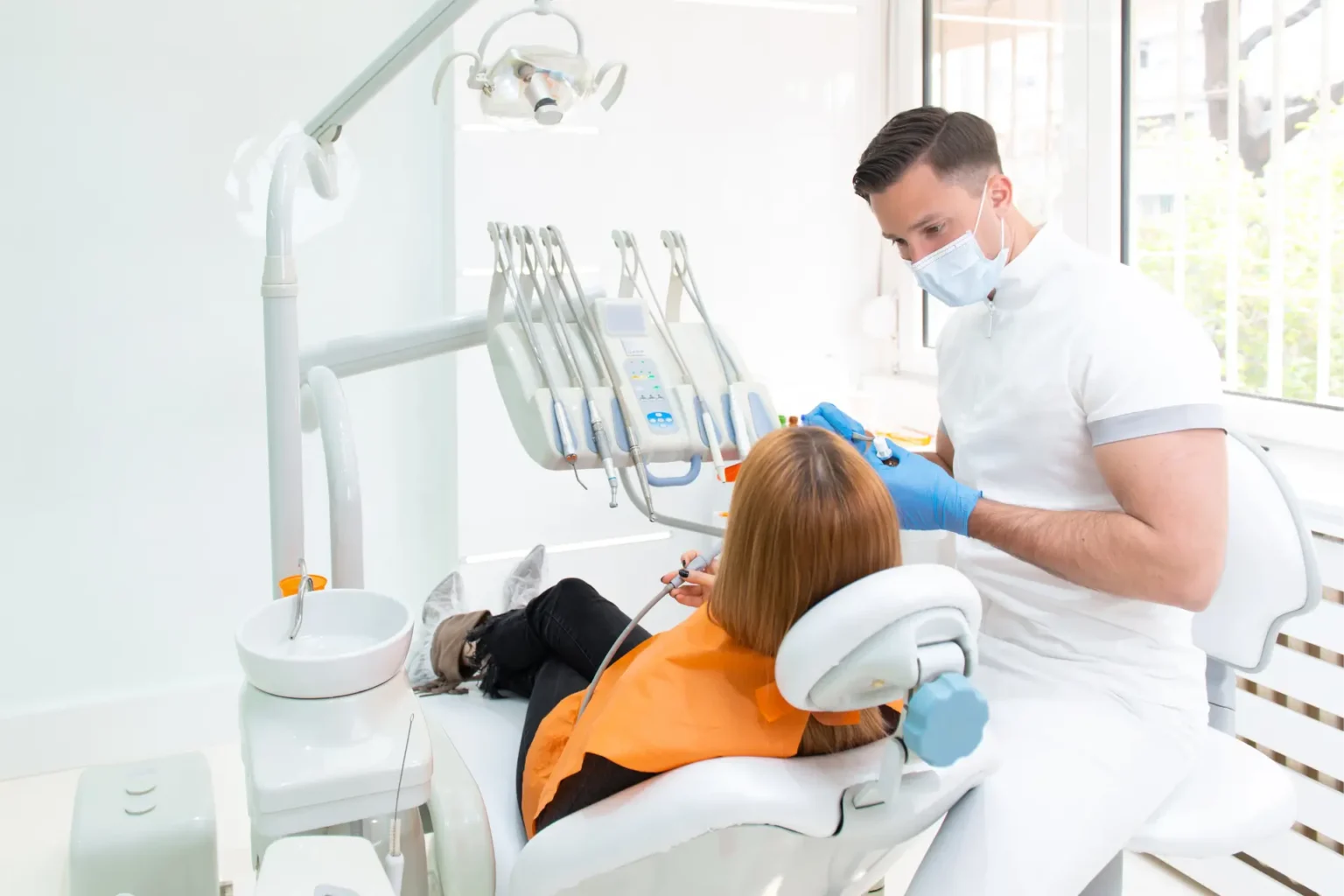
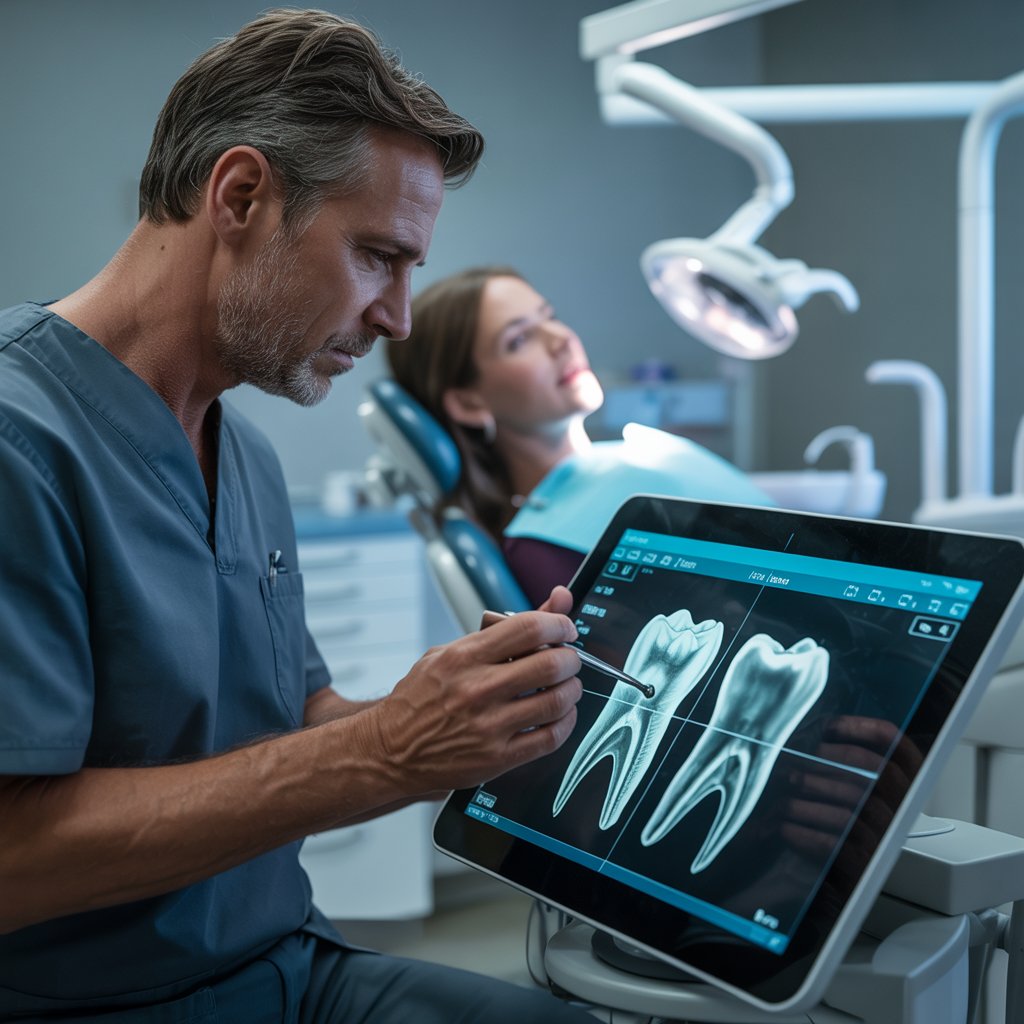
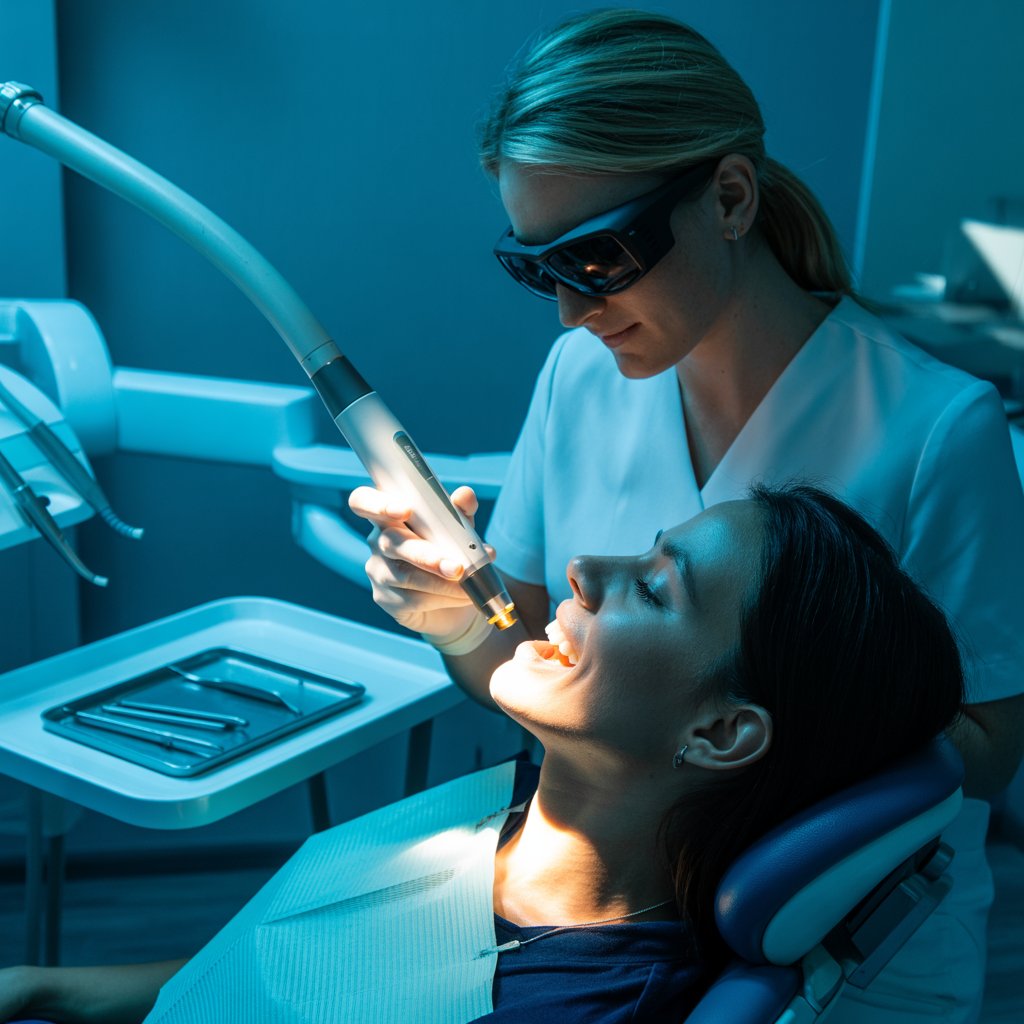
People sometimes avoid urgent dental care because they fear they will be forced into a major procedure on the spot. Emergency appointments are more measured than that. The first goal is diagnosis and stabilization. That usually means a history, an exam, X-rays if needed, testing the tooth with cold or percussion, and checking the gums and bite. From there, the dentist decides whether the problem can be handled immediately or whether pain control and a short-term plan make more sense.
For a deep cavity or nerve problem, treatment might involve removing decay, placing a temporary medicated dressing, starting root canal treatment, or recommending extraction if the tooth is not salvageable. For an abscess, the priority may be drainage and controlling the source of infection. For a broken tooth, smoothing a sharp edge and placing a temporary restoration can prevent further injury until definitive repair. If the issue is a lost filling or crown, replacing or temporarily re-cementing it may be straightforward. If a wisdom tooth is involved, the emergency visit may focus on relieving inflammation and arranging extraction with the right provider.
This is where an experienced Emergency Dentist earns trust. Good emergency care is not only about speed. It is about judgment. There are times when preserving the tooth is realistic and worth pursuing. There are other times when the damage is so extensive, or the crack so deep, that heroic treatment is expensive and unlikely to hold up. Patients appreciate candor here. A professional should explain the trade-offs, not oversell one path because it sounds ideal.
Antibiotics are not a stand-alone fix
Many patients call hoping for antibiotics without an exam. Occasionally they are appropriate as part of treatment, especially when there is swelling, spreading infection, fever, or certain medical risks. But antibiotics do not repair a cracked tooth, remove decay, or clean infected tissue out of a dead nerve space. They can reduce bacterial load and calm surrounding infection, but they rarely solve the source on their own.
A familiar scenario goes like this: the swelling decreases after a few days of antibiotics, the patient feels better, and the follow-up gets postponed. Two or three weeks later the pain returns, sometimes worse than the first time. That is because the infected space inside the tooth or around the root was never properly treated. Responsible emergency dental care uses antibiotics when needed, not as a substitute for treatment.
When the pain is not coming from the tooth you think
Referred pain is common in the mouth. Patients point to one tooth, but the actual source is a neighboring tooth, a wisdom tooth behind it, the jaw joint, or even sinus pressure. Lower molar pain can radiate toward the ear. Upper tooth pain can feel like cheekbone pressure. Bruxism, or grinding, can make several teeth feel sore at once, especially in the morning.
This is another reason not to self-diagnose too confidently. I have seen patients convinced a front tooth was the problem because that was where the pain landed, only to find the real source was a cracked premolar farther back. I have also seen the opposite, where a patient was certain they needed a root canal and the culprit was a seed hull wedged under the gum. Dental anatomy is compact. Nerves overlap. The brain is not always precise about where pain starts.
Children, older adults, and special situations
Persistent tooth pain deserves extra care at the extremes of age. Children may not describe pain accurately. They may say a whole side of the mouth hurts, or refuse to eat on one side without explaining why. Swelling, fever, sudden crying with chewing, or disturbed sleep all warrant prompt dental assessment. Baby teeth do matter. Infection around them can affect the child’s comfort, nutrition, and the developing permanent teeth beneath.
Older adults bring different concerns. Teeth with large old fillings can crack more easily. Receding gums expose root surfaces that decay faster. Dry mouth from medications increases cavity risk dramatically. Someone who says, “This tooth was fine for years and suddenly started aching,” may be describing new root decay, a fractured cusp, or a failing old restoration. Delaying care in that group can lead to more complex treatment than expected.
Anyone with diabetes, immune suppression, heart valve issues, cancer treatment, or a history of serious infections should be especially cautious about dental swelling and persistent pain. Not every toothache becomes a systemic problem, but the margin for error is smaller.
How to choose the right urgent dental care
Not every office that offers emergency appointments handles the same range of problems. Some can treat most urgent issues in-house. Others focus on triage and temporary relief before referral. When you call, it helps to be direct. Describe the pain, the presence of swelling, any fever, whether the tooth is broken, and how long it has been going on. Ask if they can take X-rays, provide same-day treatment if needed, and see adults or children depending on your situation.
A strong emergency office will not promise a specific procedure before an exam, but they should ask the right questions and tell you whether your symptoms sound urgent. If facial swelling is spreading, or if swallowing or breathing feels different, a responsible team will say so plainly and direct you to immediate medical care when appropriate.
Practical details matter too. Ask what to do before the visit, whether you should avoid eating in case treatment is needed, and what records or medication lists to bring. If you have had recent dental work elsewhere, sending those X-rays ahead can save time, though emergency teams are used to starting fresh if necessary.
After the urgent visit, the follow-through matters
The biggest mistake after emergency care is assuming the problem is finished because the pain has dropped from an eight to a two. Temporary fillings, drainage procedures, bite adjustments, and medications often buy valuable relief, but many are only one stage of treatment. If the dentist recommends a root canal, crown, extraction, or follow-up imaging, that is not routine upselling. It is usually the completion of the plan that keeps the issue from returning.
Teeth are good at giving second chances and bad at giving endless ones. A tooth that is sore today may still be restorable. The same tooth, ignored through repeated flares and infection, may end up beyond repair. That is the hard truth behind persistent dental pain. Delay narrows options.
A stubborn toothache is not something to grit through for another week just because the calendar is busy. If the pain will not go away, if it keeps returning, or if swelling enters the picture, an Emergency Dentist is not an overreaction. It is often the fastest way to protect your health, limit the damage, and get back to normal life without the constant soundtrack of pain.
Vitality Dental
1220 Coit Rd # 106, Plano, TX 75075, United States
+1 972-645-4100
FAQ About Emergency Dentist
What counts as a dental emergency?
A knocked-out tooth, significant mouth injury, severe tooth pain, or painful swelling warrants prompt evaluation. Call your dentist and describe your symptoms so the office can advise you on how urgently you need care.
What should I do if I knock out a permanent tooth?
Call a dentist immediately. Handle the tooth by the crown, avoid touching the root, and keep it moist. If you cannot put it back into the socket easily, transport it in milk or a tooth-preservation solution. Bring it with you to the appointment.
Should I go to the emergency room for a dental emergency?
Seek emergency medical care right away if you have trouble breathing or swallowing, uncontrolled bleeding, or a serious facial injury. For an isolated tooth injury or toothache without those symptoms, call a dentist promptly for guidance.